REACH – Thinking Beyond the Headlines
Brave in the Bay · October 21, 2026 · 40 minutes
A conversation about REACH’s beginnings, media literacy, and why young people should help lead this work.
Journalism · Empathy · Community
A journalism and media investigation program that helps young people make sense of what they see online — and use storytelling as a tool for connection, not division.
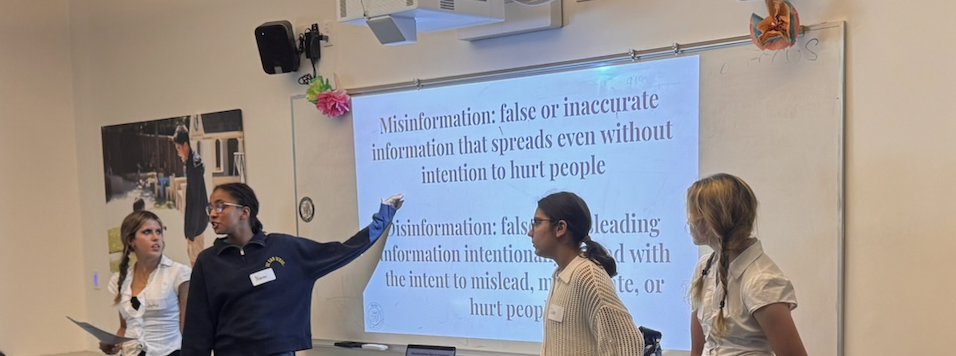
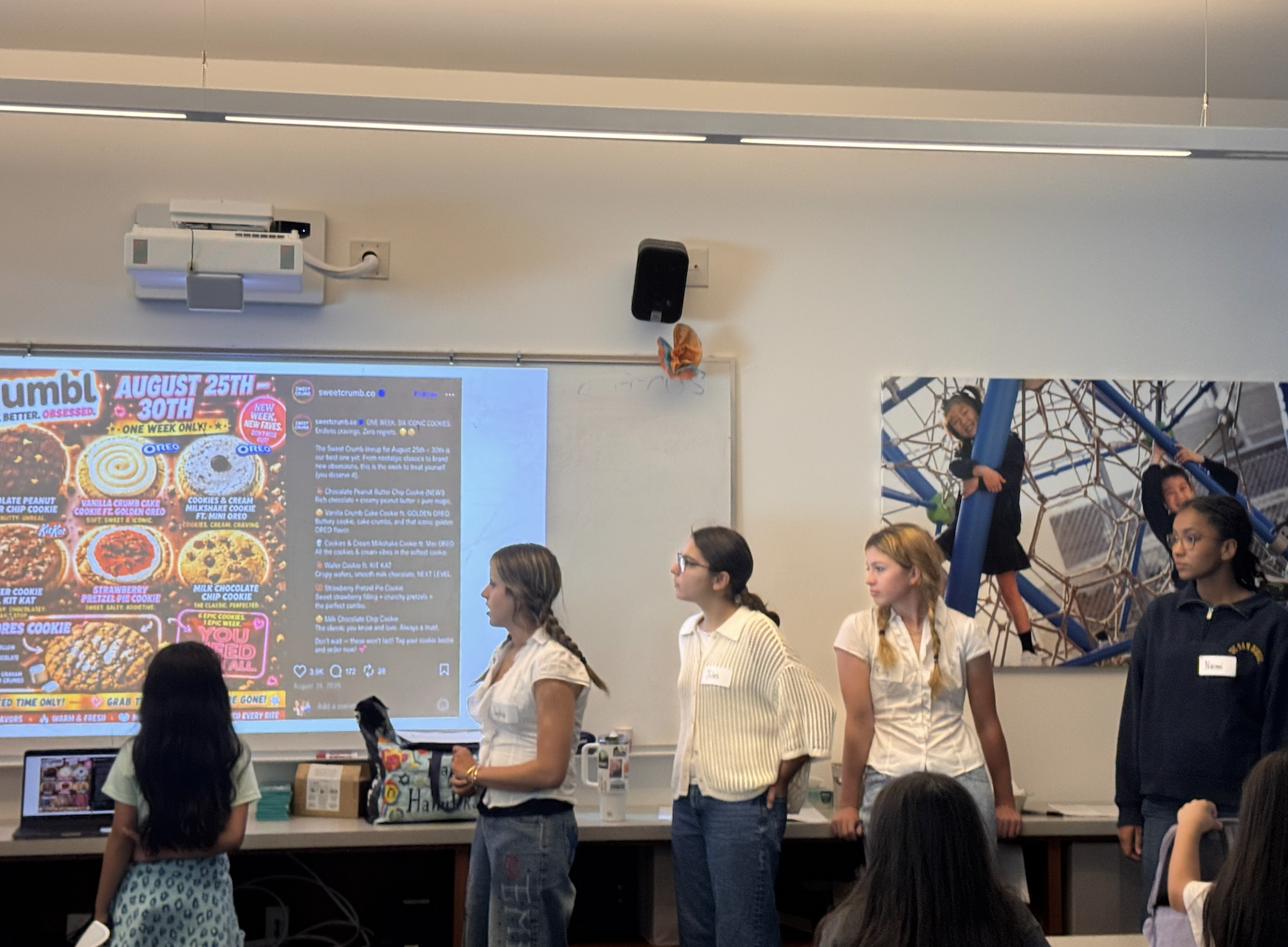
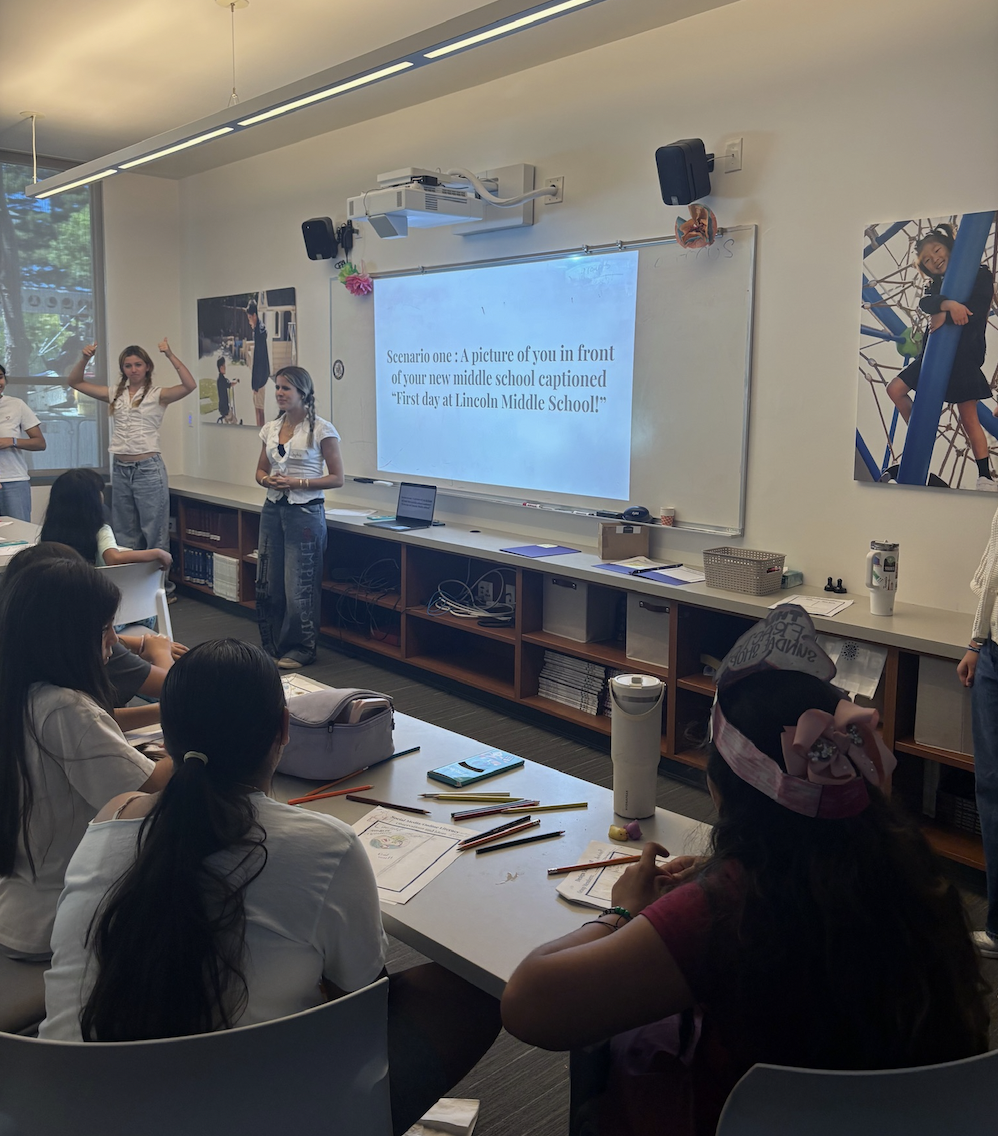
The Results
The REACH One-Session Class Overview gives teachers a self-contained introduction to media literacy — perfect for a single class period, no prep required.
A stand-alone experience introducing the core ideas of REACH.
What The People Behind REACH Stands For
Core journalism tools and ethics — stories sourced and told with integrity.
Storytelling with care and responsibility for the person behind the headline.
Media bias, social media, and global perspectives — the full picture.
Building bridges between communities and experiences across divides.
Reframing headlines to reveal the real people and stories within them.
Why It Matters
Today's landscape bombards students with misinformation, bias, and divisive narratives. REACH gives them the tools to push back — not with cynicism, but with curiosity and care.
"Online content is framed as verified facts, not hypothetical possibilities children can think about and reject. Online sources of information are often hidden or even fabricated, and children do not have access to the past records of accuracy and reliability for those sources."
Research on children & online misinformation
of TikTok users are shown misinformation within their first 35 minutes on the platform. — NewsGuard Study
"When you share your opinion, you have a chance to get more people to connect."
— REACH Student
The Program Story
REACH didn't start in a classroom or a boardroom. It started at a kitchen table, with a high schooler watching her younger brothers scroll through news they couldn't make sense of — and realizing the problem was bigger than her family.
The Problem
Today's students are surrounded by more information than any generation before them — and fewer tools to evaluate it. Not because they aren't smart enough. Because no one has taught them how. Tahlia saw this firsthand: not just misinformation, but a complete absence of the skills to question, slow down, and look deeper. Her brothers weren't failing. The system was failing them.
"Young people are capable of sophisticated thinking. They just need someone to meet them where they are."
The Response
Tahlia had spent years teaching international relations and public policy to middle schoolers through League of Creative Minds — designing curriculum, running workshops, moderating conferences. She knew what it looked like when young people were given real intellectual tools and trusted to use them. REACH grew from that experience: a journalism and media literacy program built not around passive consumption, but active questioning.
The question driving REACH was simple: what would it look like to give every student a real journalism toolkit — not facts to memorize, but skills to carry for life? The program combines rigorous curriculum design with a belief that storytelling, done with empathy and intention, is one of the most powerful forces for change we have.
What It Became
REACH is now a five-pillar curriculum built for middle and high school classrooms — covering responsible reporting, empathy in storytelling, media analysis, community connection, and humanizing the people behind headlines. Each lesson is free, self-contained, and designed for educators who want to give their students something that lasts beyond the school year.
Why We Exist
REACH exists to give every young person the tools to question, understand, and shape the stories that define their world.
REACH equips students with the skills to critically analyze what they see, understand the human stories behind the headlines, and foster empathy across divides.
— REACH Program Mission Statement
The Problem We Address
Today's media environment bombards young people with misinformation, bias, and divisive narratives. REACH teaches students how to ask thoughtful questions, recognize bias, center human voices, and share narratives with empathy.
"Repetitive exposure to incorrect information can create an effect where even if one knows better, they might start believing or acting on something they don't fully believe to be true due to its familiarity" — known as the illusory truth effect.
Rakoen Maertens, PhD — University of Oxford
"Through hands-on storytelling, students finish the program with the skills and mindset to think critically and contribute meaningfully to conversations around the world."
"After REACH, I will definitely be paying more attention to the way that the news presents info, and will think about how they had gotten the story."
— 11 Year Old REACH Student
"My responsibility as a journalist is to write the truth and be unbiased. To tell all sides of the people and the story."
— Lesson 3 Student Reflection
What We Believe
REACH centers stories of people often left out of mainstream narratives, teaching students to seek out those voices with intention.
Understanding someone else's experience doesn't happen by accident. REACH gives students concrete practices to build that capacity.
Questioning what you read isn't cynicism — it's responsibility. REACH teaches students to interrogate information out of respect for truth.
Stories shift how people see each other. REACH trains the next generation of storytellers to use that power wisely.
Hear From the Students
"After REACH, I will think differently about how a headline can change how the situation in the article seems to appear."
— REACH Student, End of Program Reflection
"My responsibility as a journalist is to write the truth and be unbiased. To tell all sides of the people and the story."
— Lesson 3 Student Reflection
"My responsibility as a listener is to be empathetic and understanding. To listen to all sides of people."
— REACH Student Reflection
"Headlines give us a first bias in our heads before we start reading."
— 5th Grade REACH Student
"Thoughtful questions can help us to learn other perspectives we didn't know about before."
— Lesson 5 Student Reflection
"If you don't know what to say or how to say it breathe, think, and have confidence."
— Lesson 6 Student Reflection
"If you don't say what you think, then someone else might say it in a way you don't like."
— Lesson 1 Student Reflection
"Someone might post false information to get attention and spread rumors."
— Class Participant
"Someone may post something misleading online to hook someone to watch more."
— Lesson 4 Student Reflection
"Headlines are the main thing people see and talk about."
— Lesson 2 Student Reflection
"Bad news hooks you in because negatives are like oh no let me read that."
— REACH Student
"Before I share something online, I should ask: is this safe? Is it true? Does it harm anyone?"
— Social Media Student Reflection
Curriculum Options
REACH is designed to be flexible. Bring us in for a one-off class, choose the lessons that best fit your students, or teach the complete six-lesson sequence.
Every REACH experience can be adapted for your grade level, schedule, and classroom goals. We can teach a single class, combine selected topics, or build a customized sequence around the questions and needs of your students. The six lessons below are a complete sequence — not the only way to learn with REACH.
Explore the full sequence below, or contact us to plan a customized experience.
"What controls how stories get told?"
"If we don't tell our own stories, someone else will — and they may not tell them right."
"How does loaded language affect marginalized communities?"
"Headlines, in a way, are what mislead you because bad news is a headline, and gradual improvement is not."
"How can you tell someone's story without speaking over them?"
"Journalism is the first rough draft of history."
"Can social media be used to make the world better?"
"We shape our tools, and thereafter our tools shape us."
"Who gets to be heard — and who is left out?"
"There is no greater agony than bearing an untold story inside you."
"How does the way you speak change what people understand?"
"We shape our tools, and thereafter our tools shape us."
Free Classroom Resources
Not ready for the full program? The One-Session Overview is completely free and self-contained — a complete media literacy experience in a single class period, no prep required.
A compact stand-alone experience introducing the core ideas of REACH.
Full 6-Lesson Sequence — One Flexible Option
100% FreeEach download is completely free — student notebook pages, activity sheets, journal prompts, and a facilitator guide for that lesson.
Student notebook pages, 3 Lies & a Truth activity, Spot the Source worksheet, and journal prompt.
Bias-highlighting worksheet, write-the-headline activity, and Bill Gates journal prompt.
MLB Robot Ump facts sheet, Write the Story template (Headline → Lede → Nut Graf → Body → Kicker), and Philip Graham journal prompt.
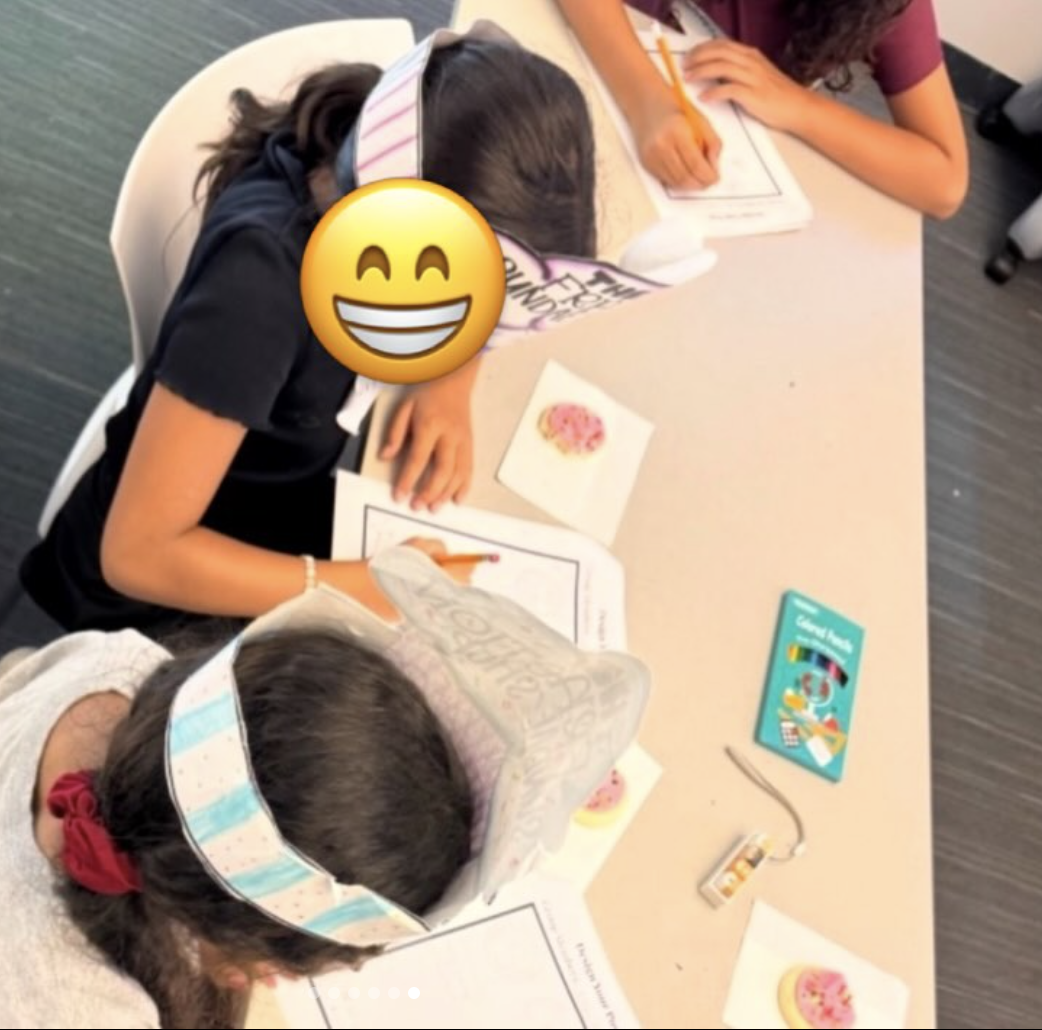
Cupcake Posts activity sheets, mis vs. disinformation worksheet, and Design Your Post group activity.
Source article analysis, strong vs. weak questions T-chart, interview activity, and Maya Angelou reflection prompt.
Pick Your Emotion activity, Convince Me speech planner, post-REACH survey, and final reflection journal.
The Foundation
Each letter of REACH represents a core commitment — to the students, to the communities they're part of, and to the stories that deserve to be told.
Teaches core journalism tools and ethics — how to gather information responsibly, verify sources, and structure a story that informs without misleading.
Centers storytelling with care and responsibility. Every person behind a headline has a full life. This pillar trains students to approach stories with humility and genuine curiosity.
Covers media bias, social media influence, and global perspectives. Students learn to examine the information they consume — who made it, why, and what it leaves out.
Builds bridges between communities and experiences. Storytelling is most powerful when it crosses divides. This pillar pushes students to find common ground.
Reframes headlines to show the people behind them. The news can make people feel like statistics or symbols. This pillar teaches students to find the full human being in every story.
The People Behind REACH
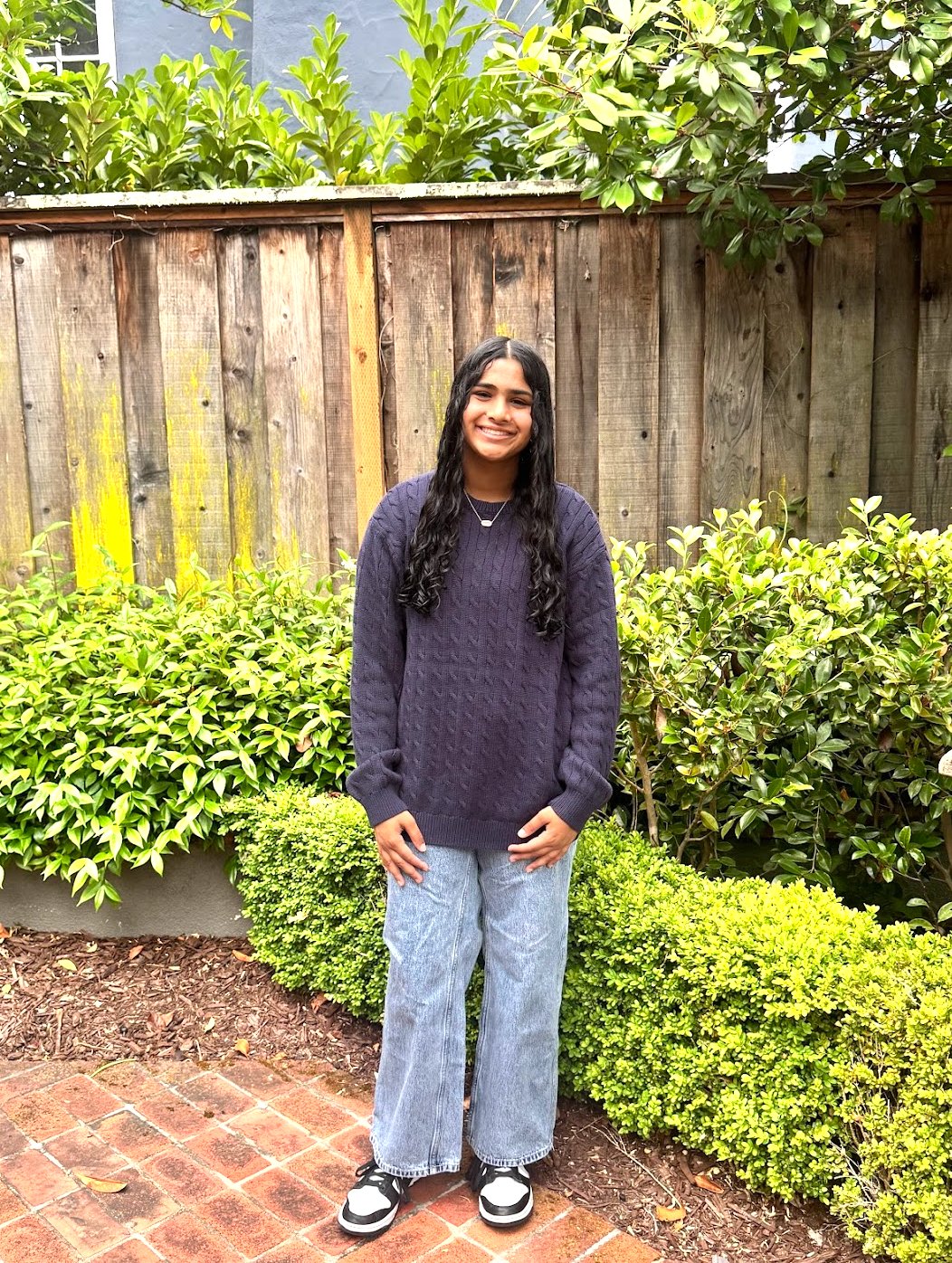
Founder & Curriculum Designer · REACH
Tahlia Shahani is a senior at Aragon High School with a deep passion for international relations, media literacy, and empowering young people to think critically about the world around them. She created REACH after watching her younger brothers — in 5th and 8th grade — struggle to make sense of what they were seeing online. Recognizing that confusion as something much bigger than her family, she built a curriculum to help students everywhere ask better questions and tell better stories.
Through her work with League of Creative Minds, Tahlia has prepared curriculum and taught weekly classes and summer camps on international relations and public policy to middle school students. She has mentored students outside the classroom and organized and moderated conferences at Stanford University, in Sacramento, and in Vancouver.
As a delegate, Tahlia has attended weekly sessions with policy professionals and college professors, debating international relations and public policy issues and participating in Model UN conferences in New Mexico and Boston. Her commitment to understanding global issues took her to Guatemala in 2023 to study child malnutrition, and to Egypt in 2024 to study the conflict in the Middle East.
REACH is the natural extension of everything she has learned — a belief that the next generation deserves the tools to understand their world, challenge what they read, and tell the stories that need to be told.
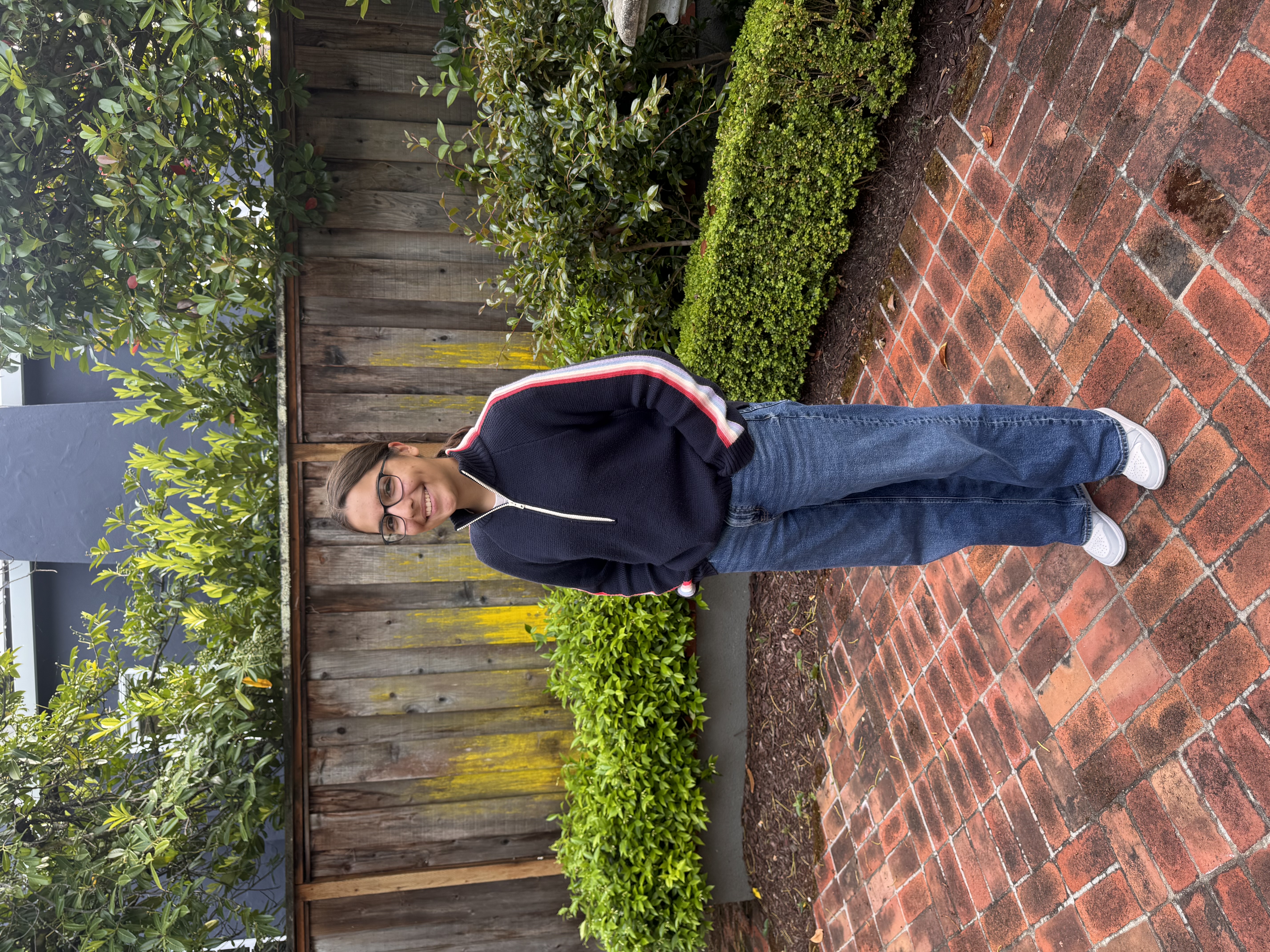
Director of Operations · REACH
Jules Singh is a junior at Aragon High School with a deep passion for ensuring that education is available to all who need it. Growing up in a family of teachers, she has seen firsthand how technology has evolved in the classroom and the growing role it plays in the day-to-day lives of grade school students. Watching the internet take advantage of young people inspired her to join REACH’s efforts in showing students how to navigate a challenging online world.
Outside of REACH, Jules immerses herself in STEM — deeply involved in engineering and mechanics and driven by the long-unanswered questions of the world. With a technical outlook, she brings a logistical perspective to the team, encouraging innovation and efficiency within the program. As Director of Operations, Jules works hard to corroborate the teachings of REACH’s curriculum and maximize the outcomes of the program to the greatest extent possible.
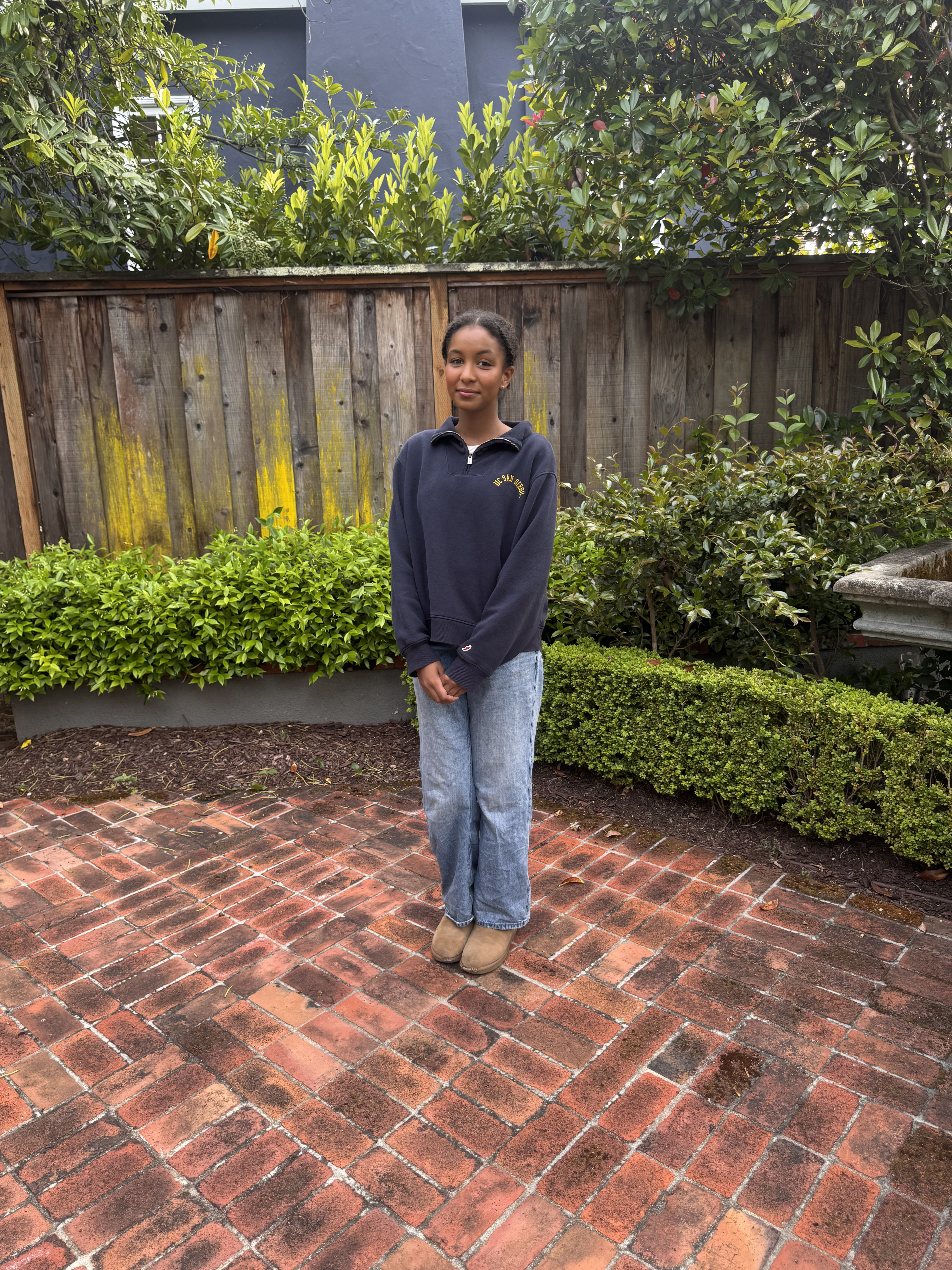
Head of Outreach · REACH
Naomi Dulac is a junior at Aragon High School and REACH’s Head of Outreach. She never had the opportunity to learn media literacy with outside support, so she had to teach herself — a process she found challenging and eye-opening. That experience drives her work now: she wants to give others the tools and literacy she never got to receive, helping students recognize sources and misinformation without the deep emotional cost of figuring it out alone.
Outside of REACH, Naomi loves music and spends her time helping younger kids learn to perform with confidence. As a section leader, she brings patience, leadership, and encouragement to the students she teaches. She hopes to use those same skills to help more young people grow into confident, media-literate thinkers.
For Naomi, REACH is about making media literacy accessible, supportive, and empowering — so students can question what they see, trust themselves, and navigate the world with confidence.
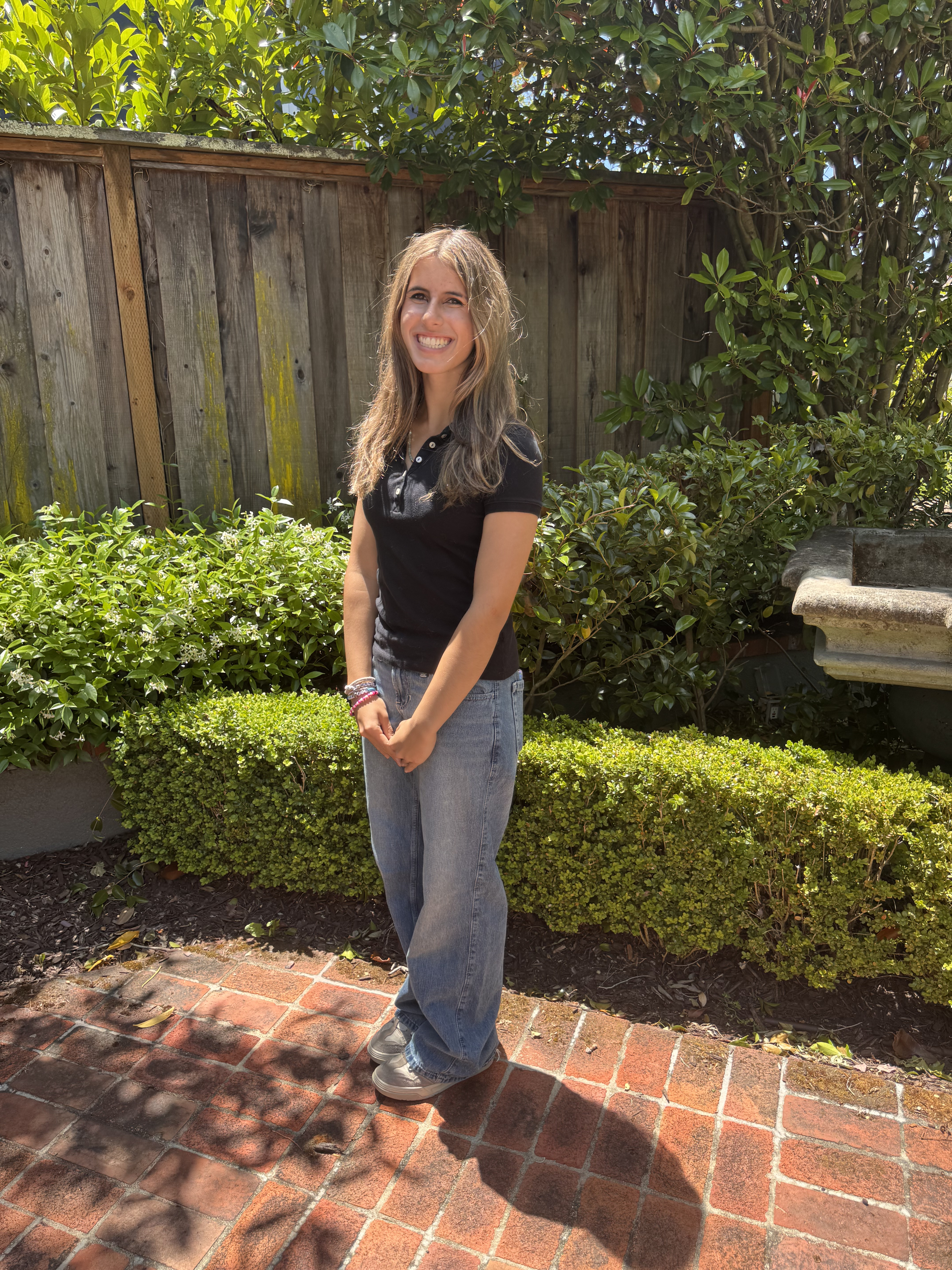
Head of Marketing · REACH
Sophia Holder is a sophomore at Aragon High School with a passion for psychology, business, and the arts. A painter and sculptor, she brings a creative and thoughtful perspective to her work — balanced by a love of biology and a broad curiosity across arts and humanities.
She joined REACH because she believes too many people fall for false media without checking their sources — and with AI on the rise, she sees media literacy as more urgent than ever. That conviction drives her commitment to helping young people think critically about what they consume online.
As Head of Marketing, Sophia helps keep REACH’s social media up and running and lends her creative skills to similar projects across the team.
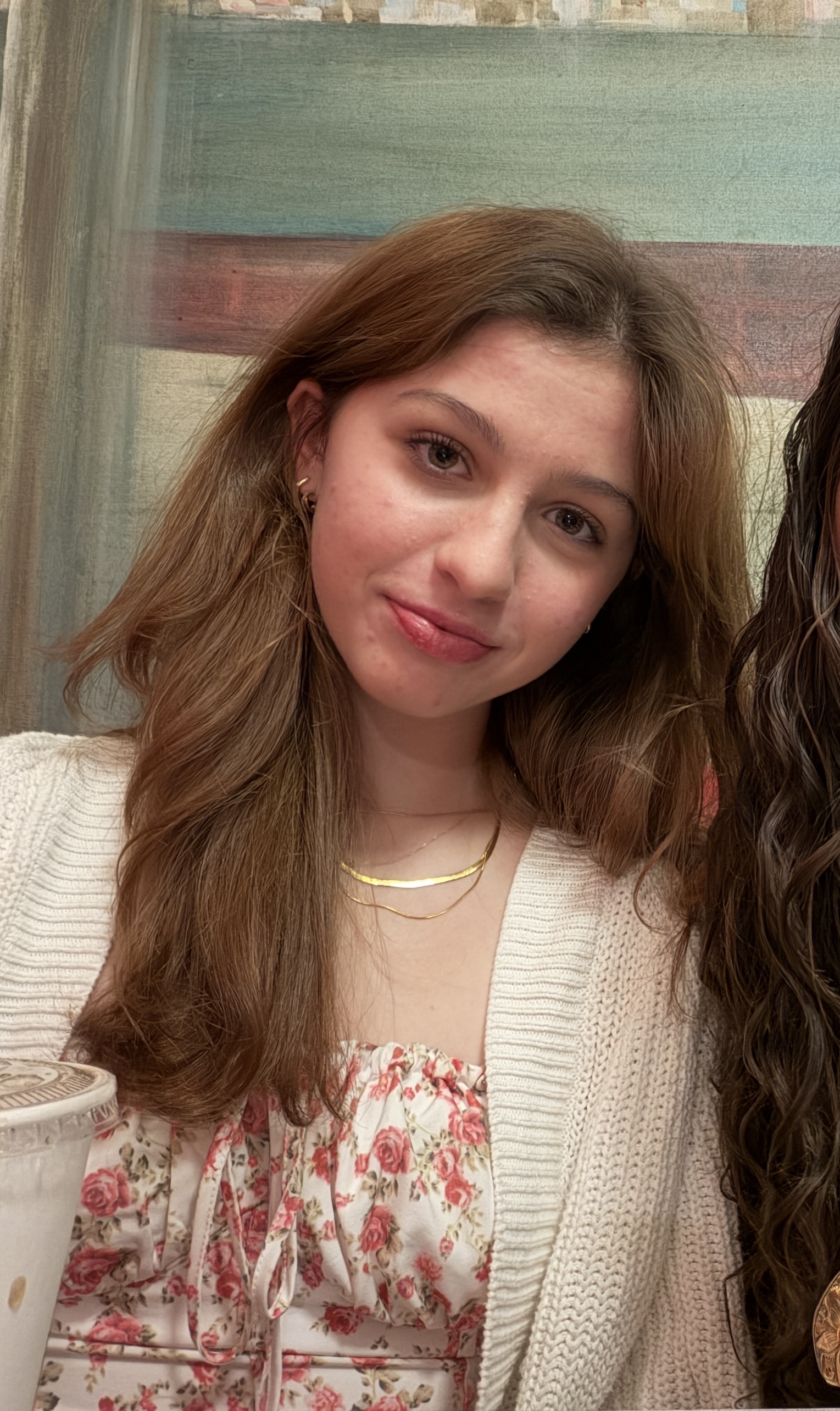
Head of Curriculum Development · REACH
Riley Wideman is a sophomore at Aragon High School with a deep commitment to raising awareness about how media shapes the way people are perceived and understood. She joined REACH driven by a belief that every young person deserves the tools to see past surface-level narratives — to recognize the influence of social media on public perception and engage with the more complex, nuanced stories behind the headlines.
Riley is especially passionate about working with younger students, helping them build the skills to make sense of the world around them and think critically about what they see and hear. She brings both curiosity and care to that work, always meeting students where they are.
Outside of REACH, Riley immerses herself in music, languages, and sports — a range of pursuits that reflect her wide-ranging intellectual curiosity. She hopes to one day pursue studies in both medicine and law, fields that share her commitment to advocacy, precision, and service to others.
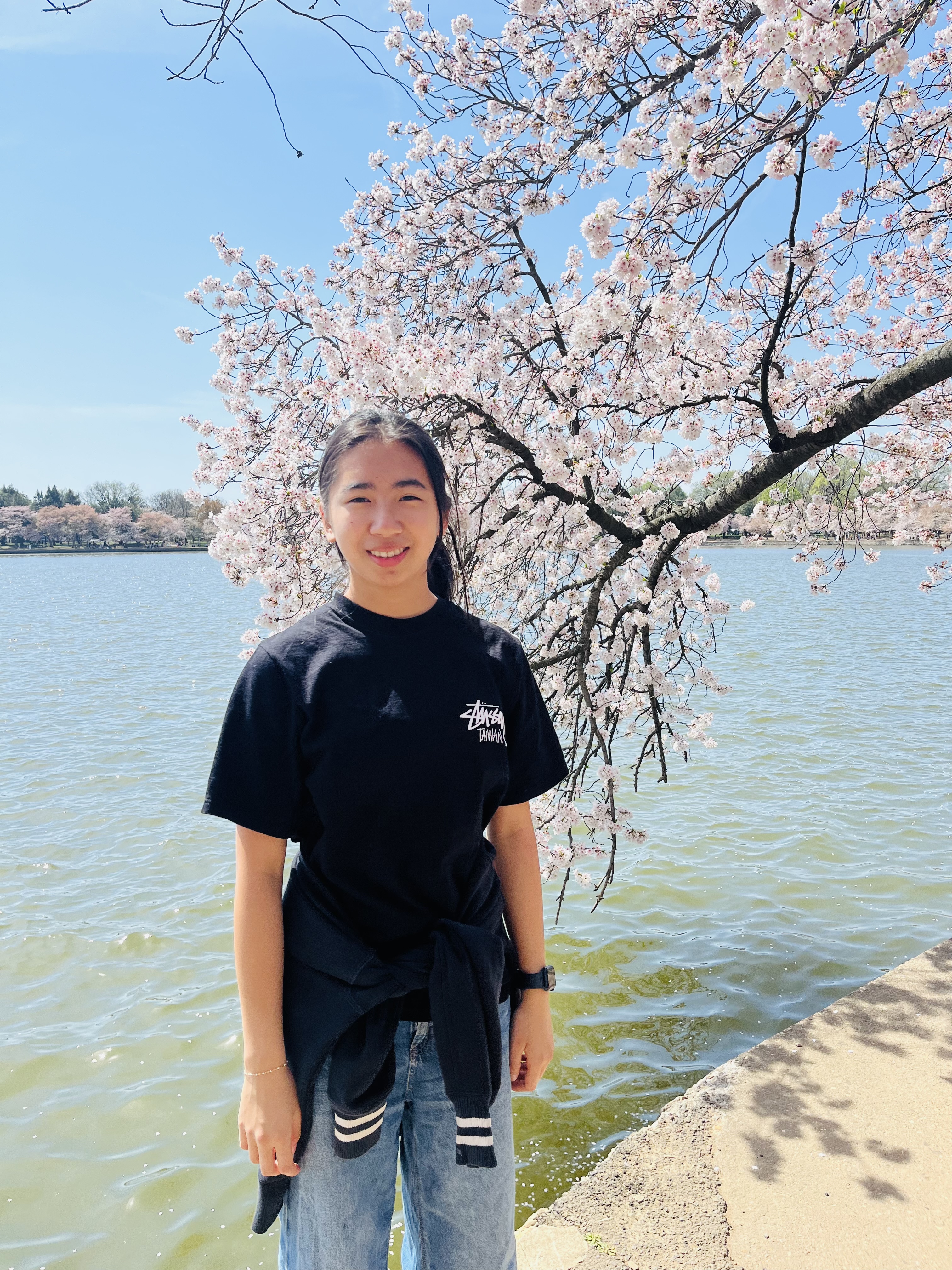
Marketing and Outreach Teams · REACH
Tanya Lee is a junior at Aragon High School who brings a uniquely global perspective to REACH. Having spent much of her childhood living in Taiwan and traveling widely, she grew up immersed in different cultures, languages, and ways of seeing the world — experiences that shaped how she thinks about people and ideas.
Living in Taiwan gave Tanya an up-close view of how media shapes public understanding. Watching coverage of Taiwan through both local and international outlets, she developed an early and personal awareness of how information gets filtered, framed, and sometimes distorted. That experience gave her a foundation in media literacy that she carries into her work at REACH.
Outside of REACH, Tanya is passionate about writing, debate, and mock trial — pursuits that have sharpened her ability to craft a clear argument and communicate with purpose. As a member of the Marketing and Outreach Team, she channels that same precision into how REACH tells its story and connects with the students it serves.
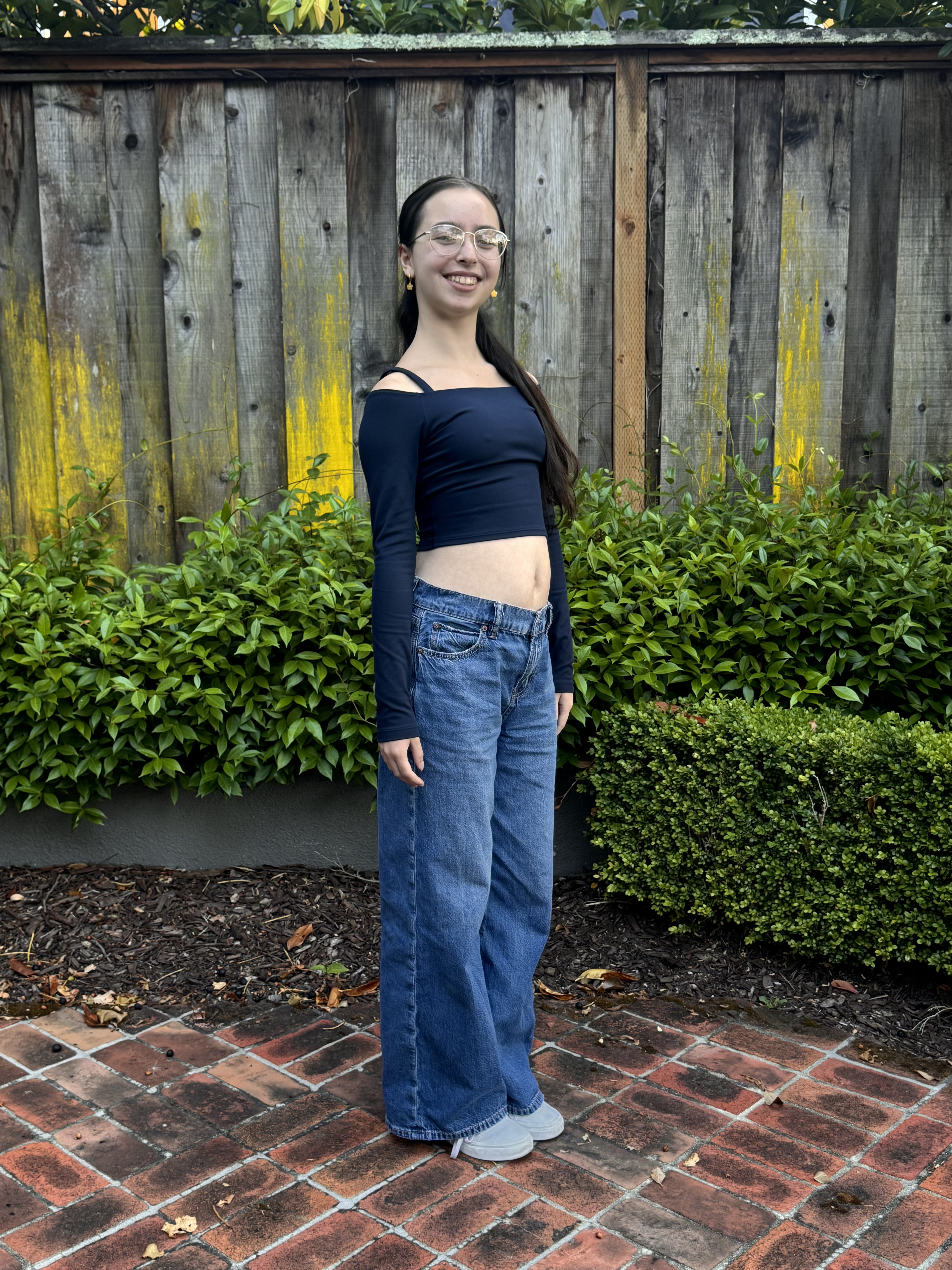
Marketing Team · REACH
Luci is a junior at Aragon High School with a passion for advocacy, the arts, and social justice. A longtime ballet dancer and dedicated student, she brings a creative perspective to her work while exploring her interdisciplinary interests.
She joined REACH because she noticed a lack of media literacy education and became concerned about younger students entering an increasingly flashy and confusing media landscape. She believes that young people deserve the tools to question what they see, critically evaluate information, and understand the perspectives being presented to them.
As part of the Marketing Team, Luci helps shape REACH’s social media and public presence, using her interest in art and storytelling to make REACH’s mission accessible to the public.
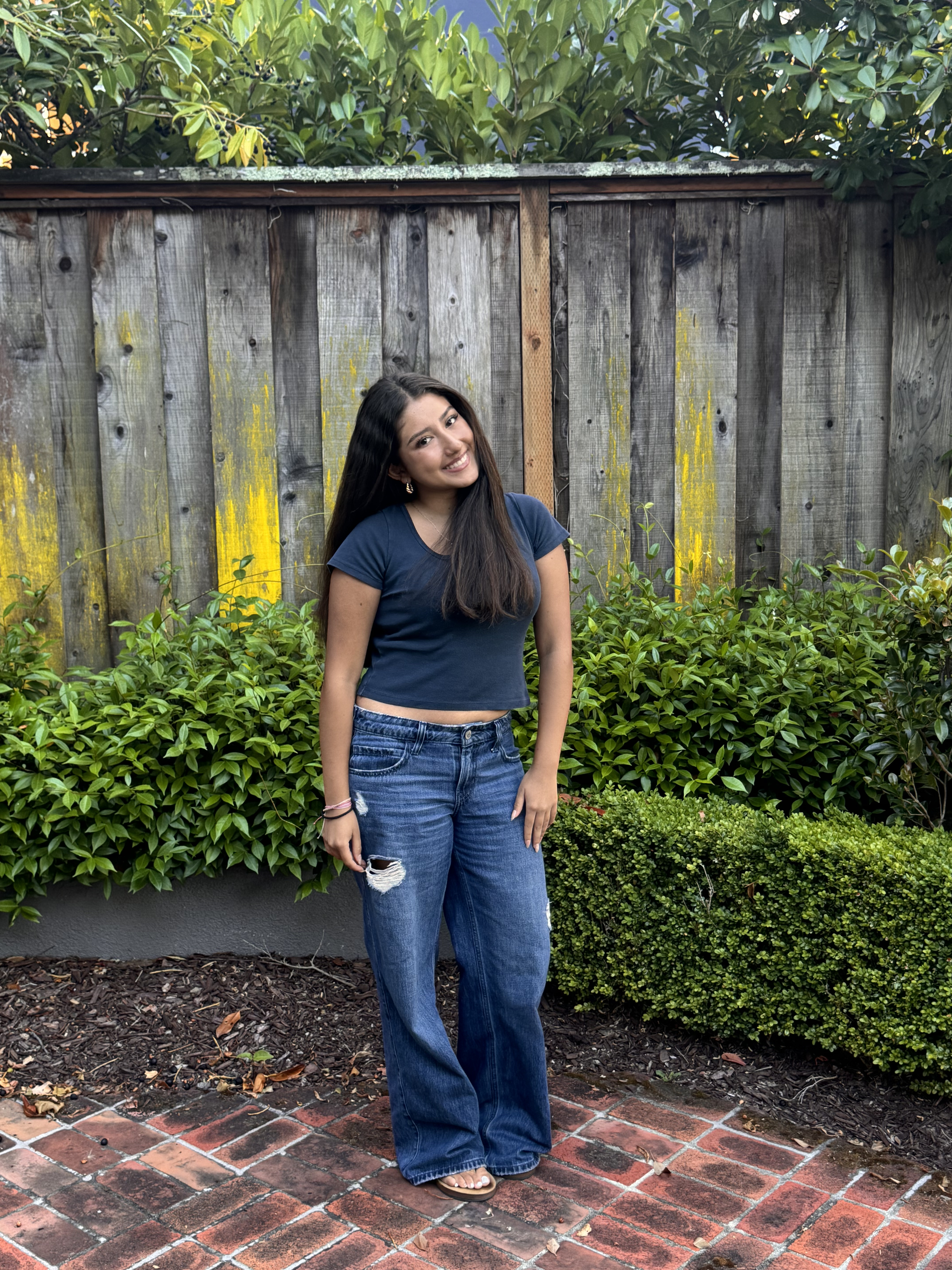
Curriculum Development Team · REACH
Bianca De La Cruz is a rising senior at Crystal Springs Uplands School who brings genuine warmth and energy to everything she does. She runs the Latino affinity space at her school and serves as a 9th grade mentor — roles that reflect her natural gift for connecting with younger students and creating spaces where people feel seen.
When she’s not in the classroom, Bianca can be found at the beach or on the sand playing beach volleyball — pursuits that speak to the same spirit she brings to her community work: active, joyful, and always present.
She joined REACH because she loves talking with kids, helping them discover new ideas, and watching them grow. That passion for teaching drives her commitment to media literacy — because the students she mentors deserve to think critically about the stories the world tells them.
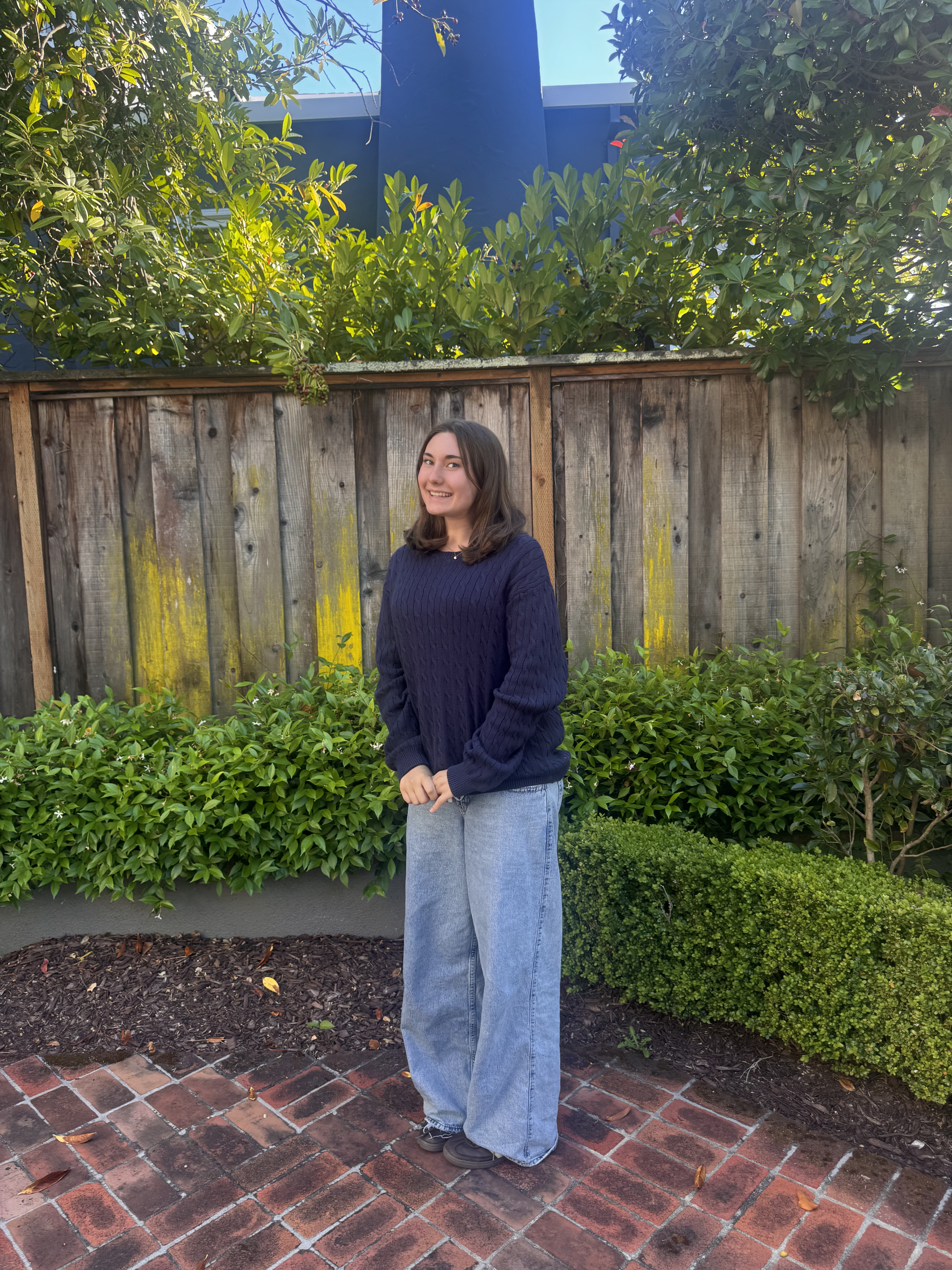
Arizona Outreach Coordinator · REACH
Kacey Seemiller-Mitchell is a rising senior at University High School in Tucson, Arizona. An avid swimmer, rock climber, and reader, she brings curiosity and drive to everything she does — and a perspective shaped by experiences far beyond her home state.
Last year, Kacey spent a year studying abroad in Germany — an experience that changed the way she sees the world. Living immersed in a different culture, she witnessed firsthand how harmful stereotypes travel across borders, distorting the way people perceive one another before they ever have a chance to meet. That realization made the stakes of media literacy feel deeply personal.
She joined REACH because she believes the antidote to stereotyping starts early — with young people who are taught to question what they consume, seek out fuller stories, and approach difference with empathy rather than assumption. As Arizona Outreach Coordinator, Kacey works to bring REACH’s curriculum to students in her own community, expanding the program’s reach beyond California and into the Southwest.
The People Behind REACH
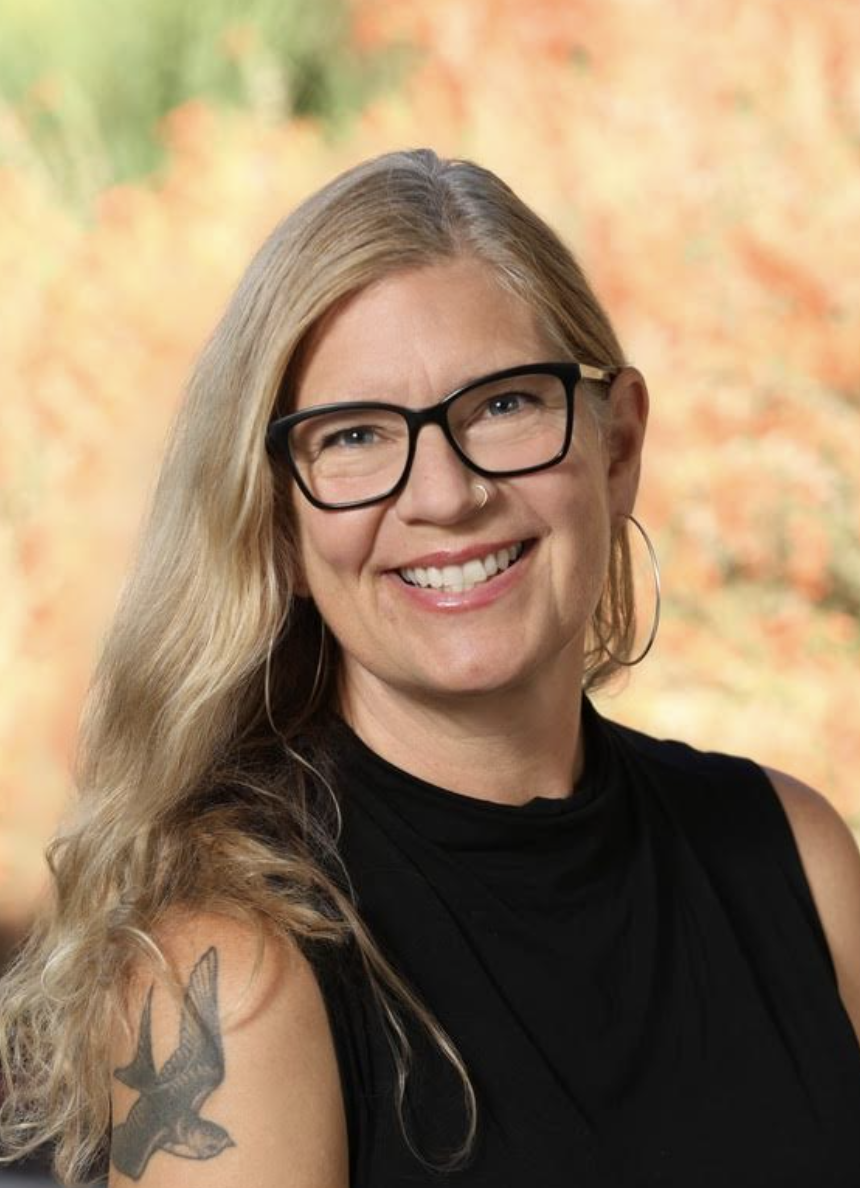
5th Grade Teacher · Advisor
Toni Ouradnik is an experienced Head Teacher with a 25-year history of creating transformative learning experiences and inclusive classroom culture in primary/secondary education, both indoors and out. Starting her career as a naturalist in the Marin Headlands, she has pushed her practice through formal and informal educational opportunities, including a Masters of Arts in Teaching (MAT) from the University of San Francisco, focused on culturally competent K-8 Education. She is a strong proponent of student voice in curriculum creation and prefers to work as a facilitator and guide for youth, helping students' develop their inherent skills and potential in a collaborative process. Toni has also demonstrated focus and leadership in Social Emotional Learning and Diversity, Equity, Inclusion, and Justice in schools. Supporting REACH's youth-led focus on critical media literacy is a culmination of Toni's priorities as an educator.
When she is not in the classroom or supporting curriculum development such as REACH, she is active in the Bay Area dance and performance community and loves to travel, write, kayak, participate in community activism, hike, and see live music. Her most inspiring endeavor is spending time with her family and her perspective as a parent of young adults supports the work she does with REACH.
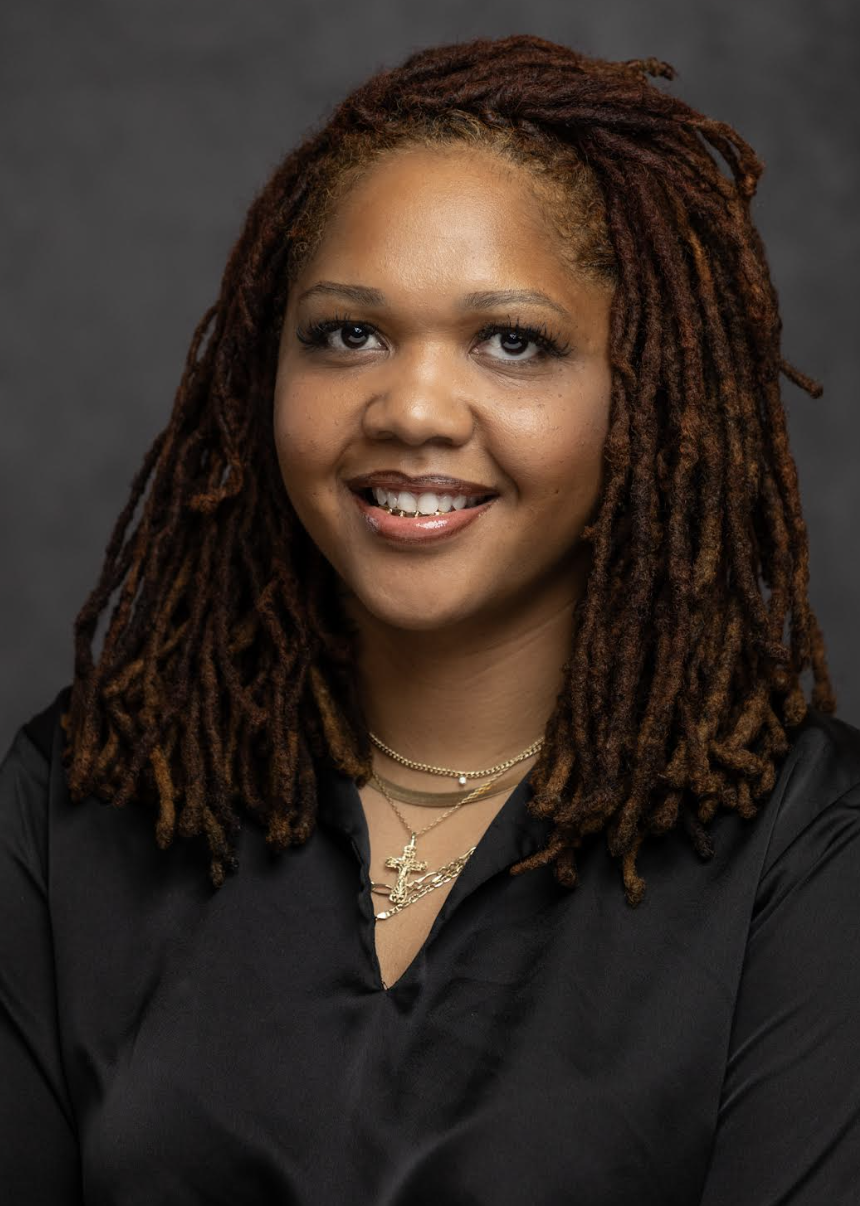
Director, Incarceration to College · Advisor
Shani Shay is an educator, researcher, and advocate dedicated to transforming educational access for incarcerated and system-impacted youth. She is the Director and Founder of Incarceration to College (ITC) and Pathways to College (PTC) — two pioneering programs that use culturally affirming, anti-racist, and trauma-informed curricula to help students in juvenile facilities and community schools transition successfully to higher education.
A proud graduate of Harvard University (M.Ed., 2024) and UC Berkeley (B.A. in African-American Studies, Minor in Education, 2022), Shani's scholarship explores liberatory pedagogies, Black feminist teaching methods, and curriculum models that raise the educational aspirations of incarcerated youth. Her work bridges academia and lived experience — cultivating college access pipelines from juvenile halls to universities statewide.
At UC Berkeley, Shani has served as Advocacy Co-Chair and President of the Black Underground Scholars, supporting formerly incarcerated students through mentorship, resource access, and leadership development. She also serves on the Underground Scholars Initiative Board and chairs the Alameda County Education Subcommittee, advancing equitable education policies for justice-impacted youth.
Shani's leadership has been recognized nationally. She is a Rockwood Fellow for Leaders in Higher Education in Prison (2025–2026), a 2021 Elder Freeman Policy Fellow, and has received honors including the Harvard Graduate School of Education Intellectual Contribution Award (2024), UC Berkeley Excellence in Management Award (2024), Alameda County Probation Department Commitment to Excellence Award (2024), California Women in Leadership Award (2020), and Mather Good Citizen Award (2022).
Her research and programs have been featured in Berkeley News, Dope Era Magazine, Impact Justice, and The Peralta Retiree. She has presented at major national convenings, including the National Symposium on Juvenile Justice Services (2025), NACRJ Conference (2024), and NCORE Conference on Race and Ethnicity in Higher Education (2024).
Reach Out
Questions about REACH, the curriculum, collaboration, or bringing the program to your school? Get in touch.
Send a Message
Whether you want to bring REACH to your classroom, collaborate, or just have questions — we'd love to hear from you.
Want to try REACH first?
Download the One-Session Overview to try REACH in a single class period before committing to the full program.
Impact
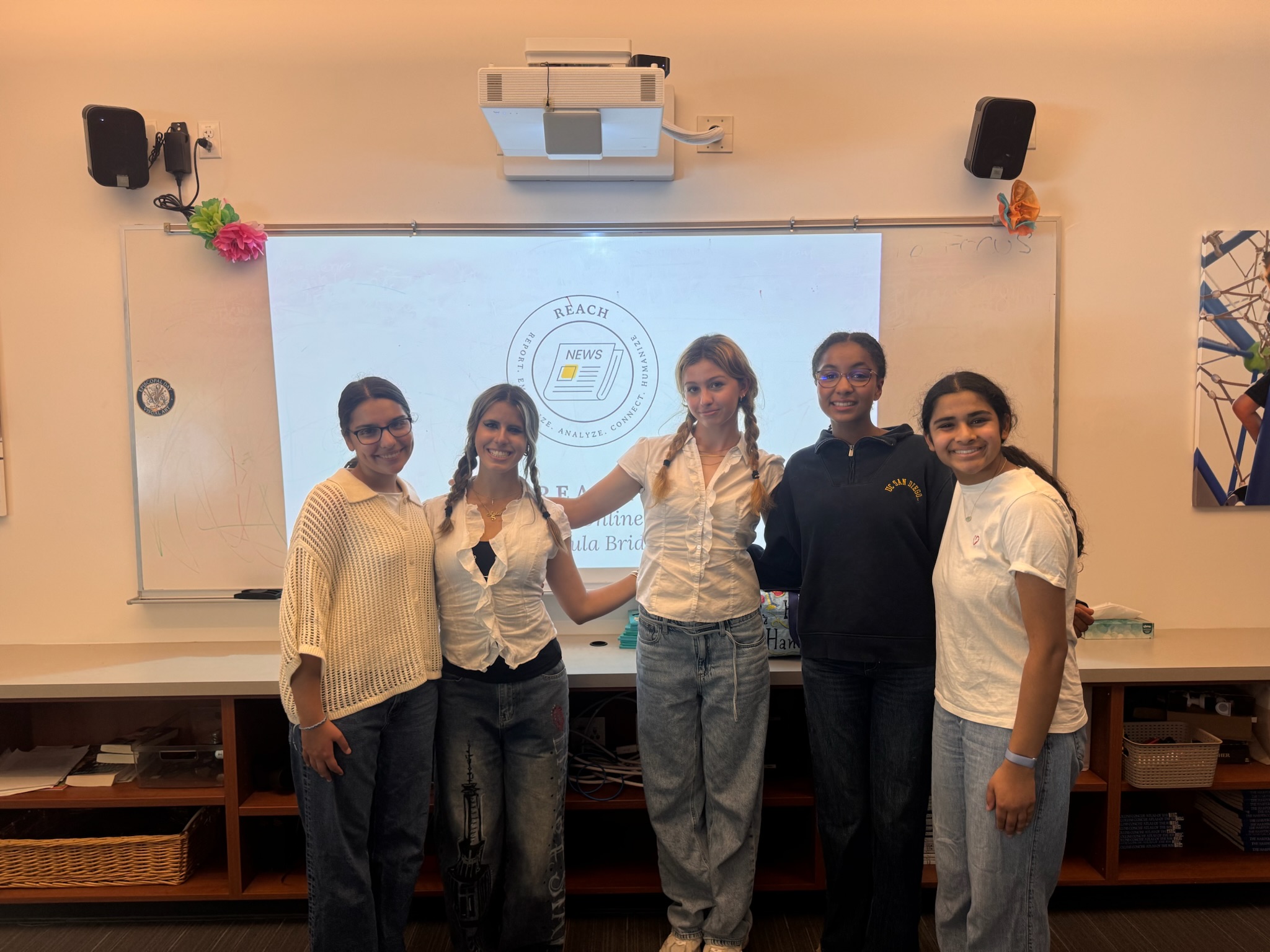
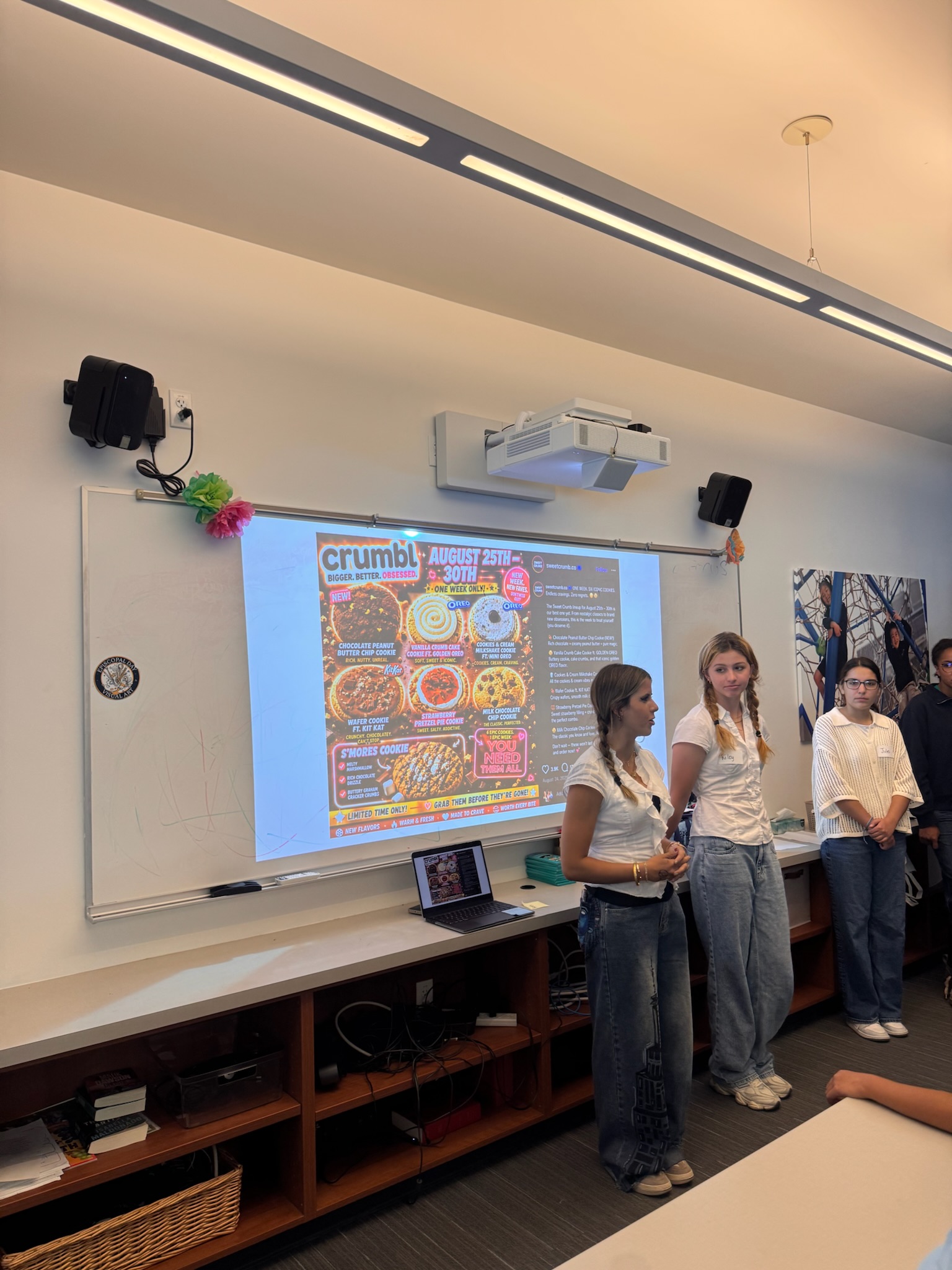
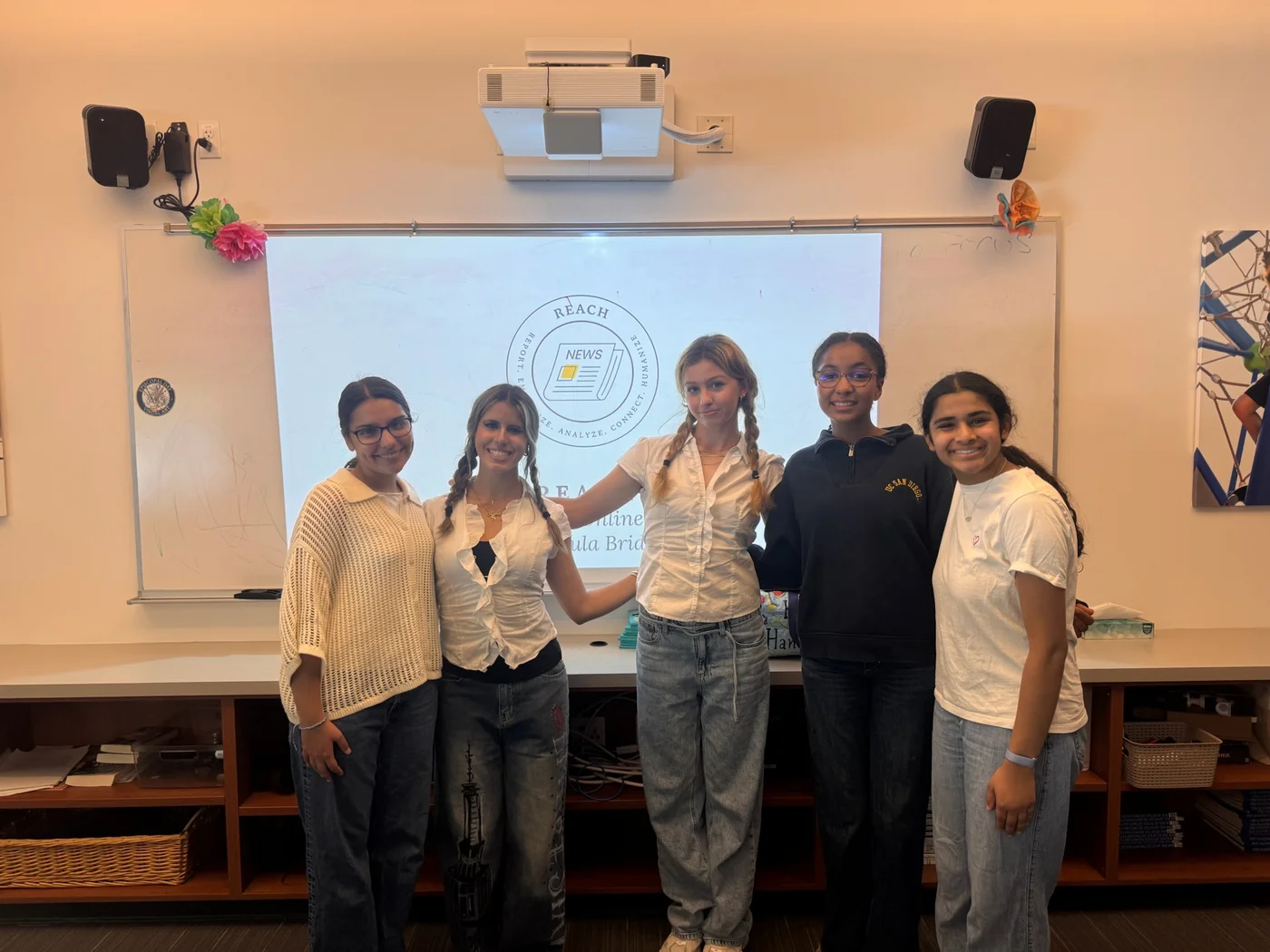
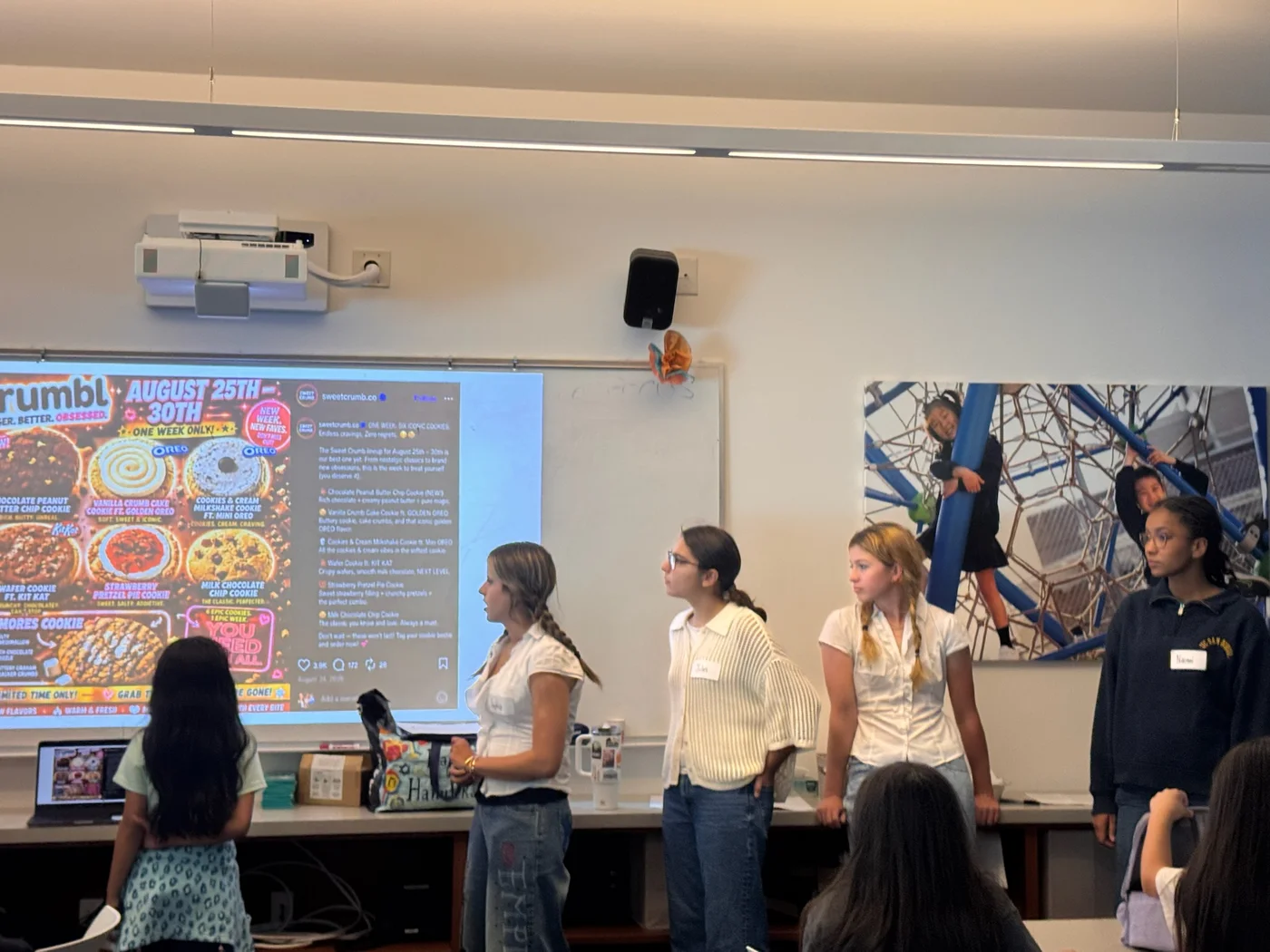
A student-led program, counted plainly. These are the classrooms we have stood in and the people who make REACH run.
Young people who have worked through REACH lessons on media, perspective, and storytelling.
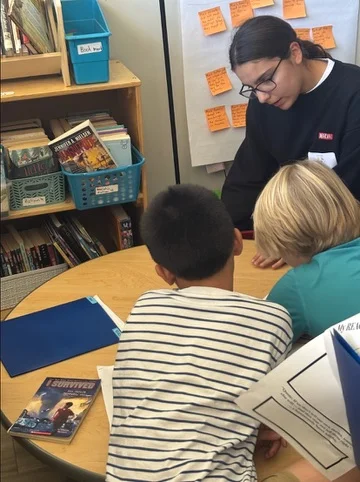
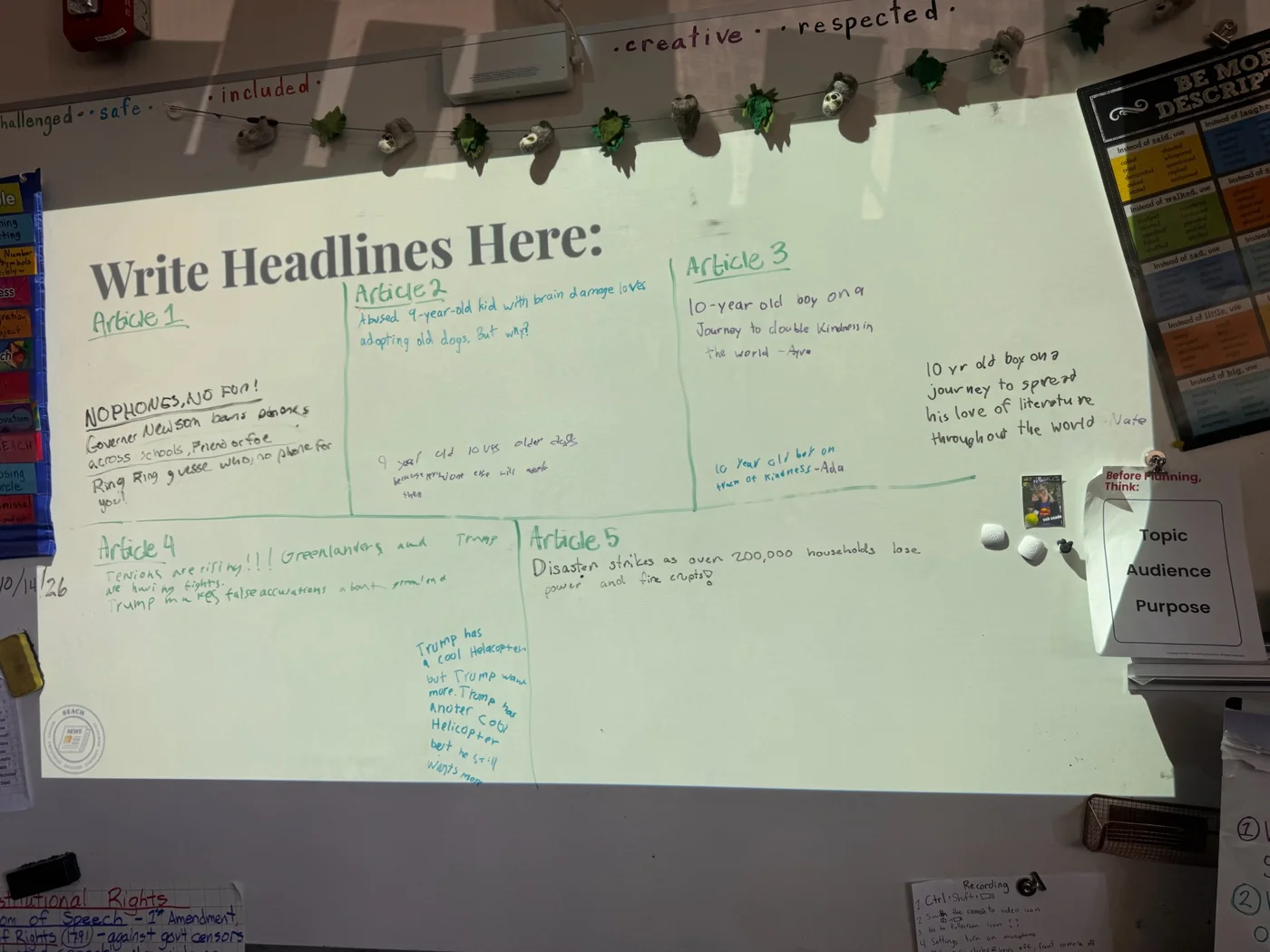
In the Classroom
Student-led workshops, small-group learning, and hands-on storytelling.
Press
Explore conversations and coverage about REACH, our student team, and media literacy.
In the Press
Brave in the Bay · October 21, 2026 · 40 minutes
A conversation about REACH’s beginnings, media literacy, and why young people should help lead this work.
Watch the reel on Instagram.
Watch on Instagram ↗If the reel doesn’t load here, open it on Instagram. Instagram may require sign-in.
Press
We welcome inquiries from reporters, editors, podcasters, and education writers. Our student team is glad to talk about how REACH began, what we teach, and what we are learning in classrooms.